
Making the Time
How I Stay Consistent Creating My Comic Book

People often ask me how I find the time to work on my comic book. The honest answer? I don’t find it—I make it.
Like many creators, my plate is already full. I have a full-time job. I have a family that deserves my attention. I stay active in ministry. Life is busy in the best ways. But I’m also the creator of Alpha Red, and that means if I want this story to exist in the world, I have to treat it like it matters.
So I do.

Priority Over Perfection
One thing I learned early is that waiting for the “perfect” block of free time is a trap. That magical uninterrupted weekend rarely comes. Instead, I commit to working on my comic a few hours each night. Not all night. Not until I burn out. Just consistently.
Those few focused hours add up faster than most people think.
The key is intentionality. When it’s time to work, I set aside distractions. Phone down. Notifications off. No random scrolling. For that window of time, it’s just me and the project. That level of focus turns two hours into real progress instead of busywork.

Set Page Goals, Not Vague Dreams
“Work on my comic” is too vague. Vague goals don’t move projects forward.
Instead, I set page goals.
How many pages this week?
How many panels tonight?
What milestone do I need to hit by the end of the month?
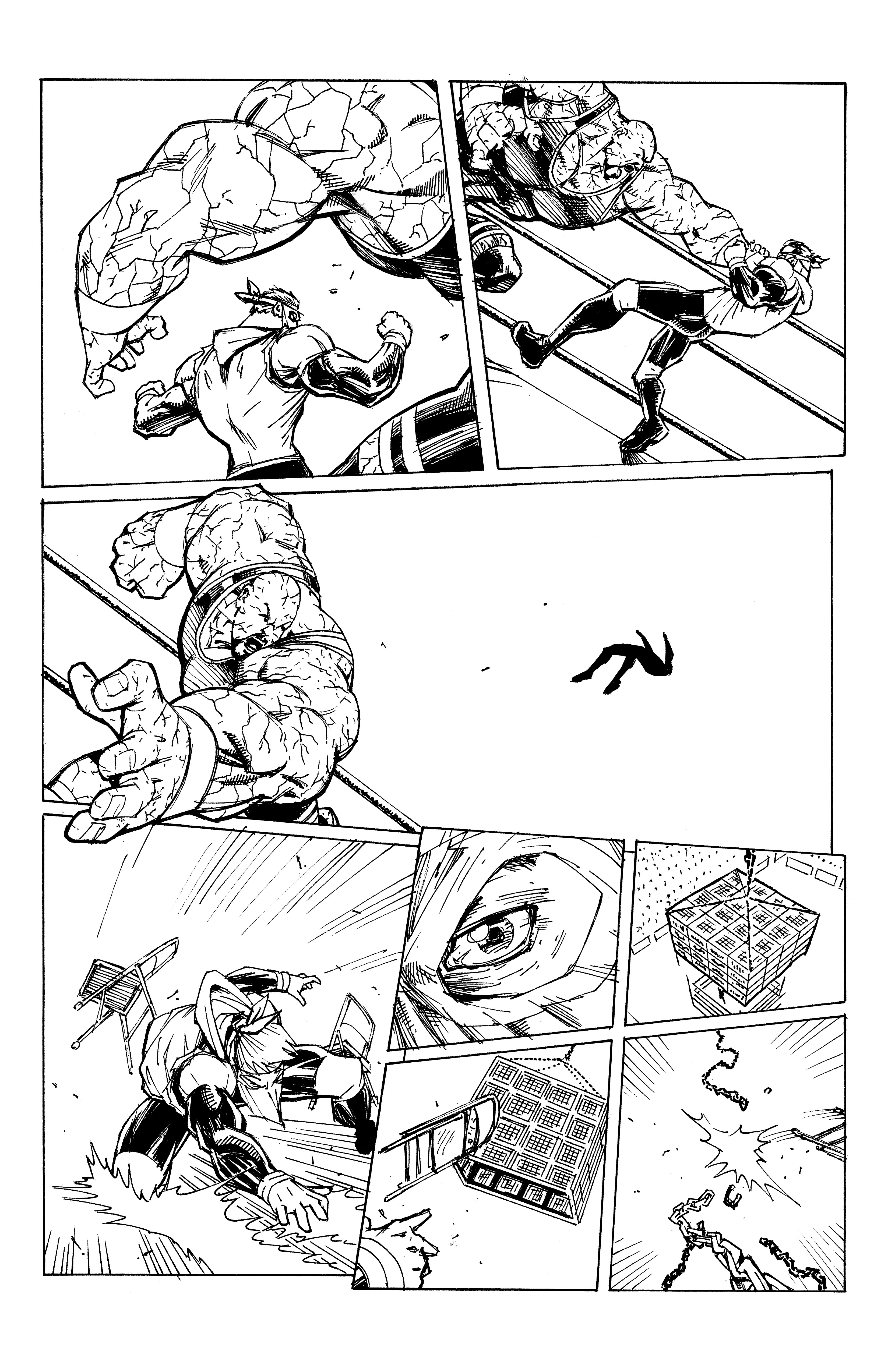
When you measure pages, you measure progress. Even one finished page is momentum. Even half a page is forward motion. The goal is consistency, not speed.
Work Backwards From Your Release Date
This is where things got real for me.
If you want your comic to actually exist, you need an optimal release target. Pick a realistic launch window and work backwards.
Ask yourself:
How many total pages is the issue?
How long does penciling take me per page?
What about inking, lettering, and final edits?
Do I need buffer time for life happening? (Yes. Always yes.)
Once you map it out, the path becomes clear. Instead of guessing, you’re executing a plan.
For example, if I know I want to release in three months and I need 24 pages finished, I can break that into weekly production goals. Now every night’s session has purpose.
Protect the Work Window
This might be the most important part.
Your creative time must be protected.
For me, that means:
Scheduling my comic work like an appointment
Communicating with my family so expectations are clear
Eliminating low-value distractions during my work block
You don’t need eight hours. You need focused hours.

Consistency Builds Confidence
Something powerful happens when you show up night after night. The project stops feeling like a distant dream and starts feeling real. Pages stack up. Scenes come together. Characters start living and breathing on the page.
Momentum builds confidence.
And confidence makes it easier to keep going—even on the tired nights.
My Goal: Publish and Share the Story
At the end of the day, the mission is simple: finish the work and get it in front of readers. That’s why I’m intentional about scheduling and goal-setting. I want Alpha Red not just to exist in my head or on my hard drive, but to reach people.
Stories deserve to be seen.
But they only get seen when we finish them.
If you’re juggling work, family, ministry, and your creative calling, hear me clearly: you don’t need perfect conditions. You need commitment, a realistic schedule, and achievable page goals.
Make the time. Protect the time. Work the plan.
Page by page, your comic will come to life.
Thanks for reading.
Grace and Peace
James
***If you didn’t know I am crowd funding my latest issue of Alpha Red! You can support issue #8 by going to FundAlphaRed.com or ShopAlphaRed.com

That's how I work on mine, too, except my time space is early morning. I fight for those two hours, and I can do one finished full color page per week. You're a lot more skilled than me (I've only been doing this for eight years), so I'm also fighting a learning curve with every page.